If you are drawn to privacy, land, and a true countryside setting, Harding may feel very different from the typical suburban home search. Estate-style homes here are less about one specific look and more about how a property lives, with larger parcels, preserved surroundings, and a quieter daily rhythm. This guide will help you understand what “estate-style” really means in Harding, what to review before you buy, and how to evaluate whether the lifestyle fits your goals. Let’s dive in.
What estate-style means in Harding
In Harding, estate-style usually refers to parcel size, privacy, and setting more than any single architectural style. Township planning documents describe Harding as a low-density rural landscape shaped by compact villages, large preserved tracts, and a strong commitment to protecting natural resources and rural character.
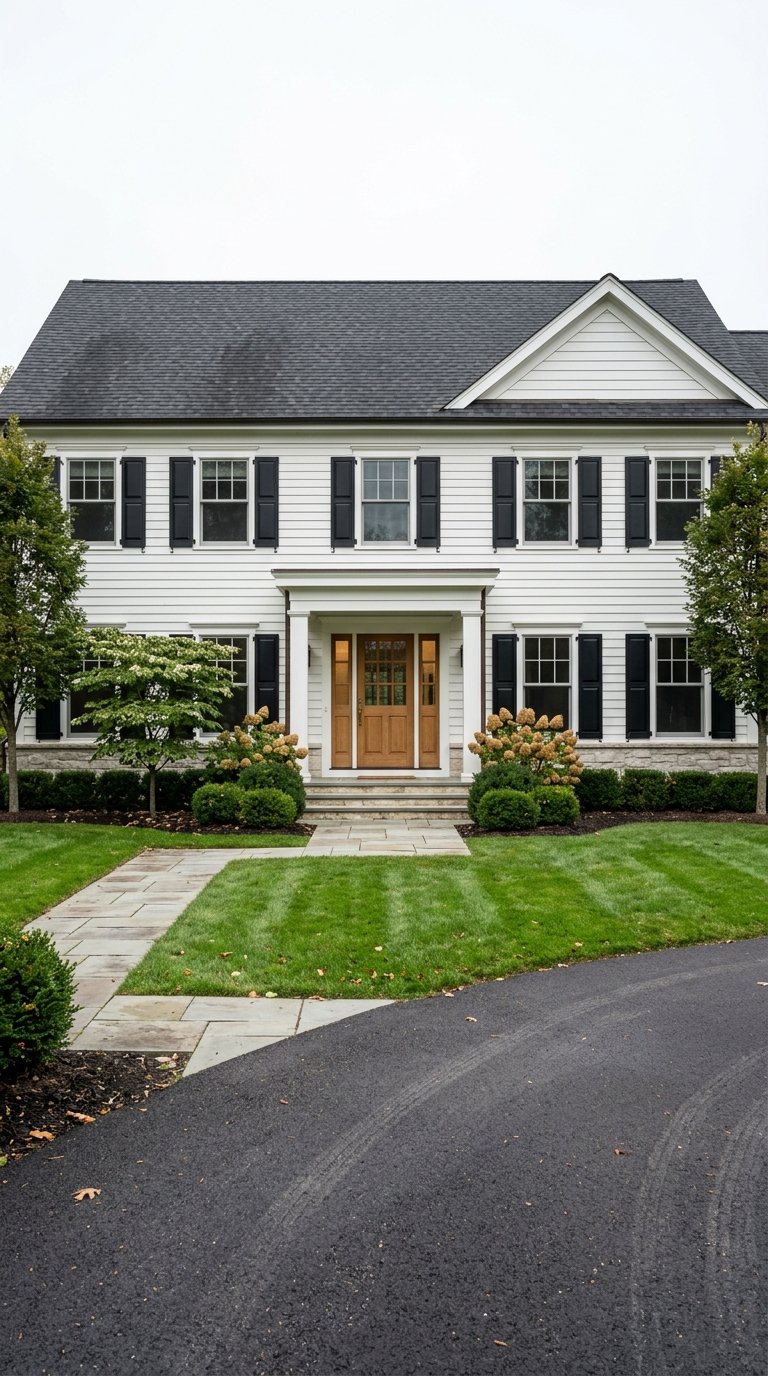
That context matters when you start touring homes. You may see historic houses, barns, farm buildings, and newer custom homes, all within the same broad estate-style category. What ties them together is the land, the distance between homes, and the sense of being in the countryside rather than in a conventional neighborhood grid.
Harding’s overall pattern is organized around four historic crossroad villages: New Vernon, Green Village, Pleasantville, and Logansville. New Vernon is identified by the township as the community focal point, while commercial activity remains limited and small-scale.
Lot sizes to expect in Harding
If you are wondering what lot size counts as estate-style in Harding, the clearest answer comes from zoning. The township’s estate-oriented residential areas are largely shaped by the R-1 and RR zoning districts.
R-1 zoning basics
In the R-1 district, the minimum lot size is 3 acres. The zone permits one single-family dwelling per lot, with standards that include 300 feet of frontage, 100-foot minimum setbacks, maximum lot coverage of 10 percent, and a maximum main-building height of 35 feet.
R-1 also requires a 100-by-100-foot building envelope that must be free of development-restricting easements, wetlands, open watercourses, and FEMA special flood hazard areas. For buyers, that means the usable part of a lot may be more limited than the total acreage suggests.
RR zoning basics
The RR district is the larger-lot zone, with a 5-acre minimum lot size. In some cases, lot-averaged subdivisions can create 3-acre minimum lots, but only if the subdivision averages at least 5 acres per residential lot overall, and larger lots in that arrangement are deed-restricted against future subdivision.
RR zoning can also allow flag lots. The township seeks to reduce their visual impact through shared driveways, access easements, and fire-safety standards, which makes access review especially important when you are considering a more tucked-away parcel.
What you may be able to add
One appeal of an estate-style property is flexibility. Harding’s zoning permits a range of accessory structures and uses that buyers often associate with larger homes, including detached garages, sheds, barns, pool houses, tennis courts, studios, greenhouses, stables, and certain energy-related structures such as solar panels and generators.
That said, permitted does not mean automatic. The township states that zoning approval is required for additions and for many exterior improvements, including sheds, pools, generators, driveways, fences, decks, patios, home offices, solar panels, and sports courts.
Why future plans matter before you buy
If you already know you want a pool house, a barn, a sport court, or expanded garage space, it is smart to investigate those plans early. Harding’s setback, coverage, building-area, and tree-buffer rules can all affect what is possible on a given property.
This is especially important on wooded lots or lots with environmental constraints. A parcel that looks large on paper may still have meaningful siting limits once you account for buffers, wetlands, easements, and existing improvements.
Building limits buyers should know
Estate properties can create the impression that there is endless room to build, but Harding’s zoning is detailed. In R-1, lot coverage is capped at 10 percent, and building area is tightly regulated based on the roofed footprint of structures on the lot.
If structures sit closer than 150 feet to the front line or road line, maximum permitted building area is 3 percent of lot area. If all structures are at least 150 feet back, the maximum permitted building area rises to 4 percent.
Tree conservation and siting limits
Harding also maintains tree conservation areas along perimeter property lines. The code establishes a 50-foot tree conservation area along road frontages and 25 feet along other lot lines.
For buyers, this can be a major design and siting factor on wooded estate parcels. It may affect where you can place additions, accessory structures, driveways, or cleared outdoor spaces.
Wells, septic, and infrastructure realities
One of the biggest differences between buying in Harding and buying in a more conventional suburb is infrastructure. The township’s planning documents say public water and sewer service are limited, and that most residents rely on wells for potable water.
That makes private-system due diligence a core part of the buying process. The Health Department administers septic and well regulations, so buyers should pay close attention to system records, water-quality review, and septic history.
Documents worth requesting early
On an estate-style property, a strong paper trail matters. Useful documents to request early include:
- A survey or plot plan showing lot lines
- Setbacks and building envelope information
- Wetland or flood-area details
- Tree-conservation buffer locations
- Septic records
- Well records
- Any variance, zoning, or historic-preservation approvals tied to past improvements
Getting these items early can help you understand not just the home you are buying, but the land you are responsible for maintaining and improving over time.
Environmental factors to review
Harding’s planning documents place the township within the Highlands Planning Area and within the Great Swamp watershed. That helps explain why wetlands, drainage, stormwater, and habitat issues often play a larger role here than they do in a typical suburban purchase.
This does not mean every property has the same constraints. It does mean you should look carefully at how water moves across the site, whether portions of the lot are affected by wetlands or flood considerations, and how those factors may shape future improvements.
Maintenance can be more property-specific
Larger parcels often come with more ongoing upkeep. Depending on the property, that may include longer driveways, snow removal planning, tree management, drainage review, and title or maintenance review for shared-driveway or access-easement arrangements.
That lifestyle can be a great fit if you value space and privacy. It is simply important to go in with a clear understanding of what ownership may involve beyond the house itself.
Historic character and review
Harding’s rural identity is closely tied to its historic character. If a property is located in one of the township’s historic districts or has historic significance, the Historic Preservation Commission’s mission is to help conserve that character and protect the rural streetscape.
For buyers, this means historic review may be part of the picture for future exterior changes. If you are considering updates to an older or historically significant home, it is wise to confirm what prior approvals exist and whether additional review may be needed later.
Daily life and commuting in Harding
Estate-style living in Harding often appeals to buyers who value land, quiet, and a more design-led home environment. At the same time, daily convenience works differently here than in a denser commuter suburb.
Harding does not have its own train station. A Morris County transit study reported that many Harding rail commuters preferred the Morris & Essex line and that it takes about five to seven minutes to drive to Madison Station.
What that means for your routine
If rail commuting is part of your life, the usual pattern in Harding is car-to-train, not walk-to-rail. That can work very well for many households, but it is a different experience from living in a town center with a station nearby.
Retail and commercial uses in Harding are limited, with activity concentrated mostly around Route 202 and New Vernon Village. If you want a highly walkable downtown with a dense amenity network, Harding may feel less convenient. If you prioritize open space, privacy, and a rural setting, that same trade-off may be exactly the point.
School pathway to understand
For families planning ahead, it helps to understand the local public school structure. The Harding Township School District includes preschool, kindergarten, and grades 1 through 8, and the district states that it has been designated a high-performing district by the New Jersey Department of Education.
For high school, Madison Public Schools states that Harding students attend Madison High School through a receiving relationship. As with any move, it is smart to confirm current enrollment and registration details directly with the relevant school district during your search.
How to assess the right estate property
Not every Harding estate-style home will fit the same buyer. Some properties are more about historic charm and landscape, while others are more about custom design, accessory structures, or long-term expansion potential.
A practical way to compare homes is to look at the property through four lenses:
1. Land usability
Ask how much of the lot is actually usable. Total acreage matters, but the more important question is how wetlands, easements, setbacks, flood areas, and tree buffers affect day-to-day use and future plans.
2. Infrastructure and records
Confirm whether the home relies on well and septic, and review the available records early. You want a clear picture of the systems, approvals, and site conditions before you get too far into the process.
3. Lifestyle fit
Think honestly about your routine. Harding can be an excellent match if you want space, privacy, and a quieter pace, but less ideal if you need immediate access to a dense commercial center or a walkable train stop.
4. Improvement potential
If your vision includes a pool, court, barn, generator, solar installation, or addition, assess that before you buy. The right property is not just one that looks beautiful today, but one that also supports how you want to live in the years ahead.
Why local guidance matters in Harding
Harding is a nuanced market. Two properties with similar acreage can have very different development potential, maintenance needs, and daily-living trade-offs based on zoning, topography, infrastructure, and historic context.
That is why buyers benefit from a local, detail-oriented approach. When you understand both the house and the land, you can make a more confident decision and avoid surprises after closing.
If you are considering an estate-style home in Harding or anywhere in Morris County, the Stephanie Mallios Team can help you evaluate the property, the setting, and the practical details that matter most to your move.
FAQs
What lot size is considered estate-style in Harding?
- In Harding, estate-style properties are commonly associated with the R-1 and RR zones, where minimum lot sizes are 3 acres and 5 acres respectively.
Can you add a pool house or barn to a Harding estate home?
- Often yes, but many improvements such as pool houses, barns, courts, generators, solar panels, and additions typically require zoning approval and must comply with Harding’s setback, coverage, and tree-buffer rules.
Do Harding estate homes usually have public water and sewer?
- Not always. Harding’s planning documents say public water and sewer access is limited, and most residents rely on wells, so buyers should verify well and septic details carefully.
What zoning issues should buyers review for Harding properties?
- Buyers should review lot size, setbacks, lot coverage, building-area limits, tree conservation buffers, easements, wetlands, flood areas, and any approvals tied to past or proposed improvements.
Is commuting from Harding possible for rail riders?
- Yes, but Harding does not have its own train station, so the typical pattern is driving to a nearby station such as Madison for Morris & Essex line service.
Do Harding students attend local public schools in town only?
- Harding Township School District serves preschool through grade 8, and Madison Public Schools states that Harding’s high-school students attend Madison High School through a receiving relationship.