What kind of home feels most like you? In West Orange, you can choose from storybook Tudors, classic Colonials, sun-filled Mid‑Century ranches, and flexible Split‑Levels. Each style offers a distinct way of living, shaped by the town’s hills, mature trees, and access to recreation and culture. If you understand the layouts, typical features, and renovation paths for each, you can shop smarter and sell with confidence.
This guide breaks down the West Orange styles buyers love, where you tend to find them, what to look for during tours, and how to approach updates without losing character. You will also find quick checklists for buyers and sellers, plus a summary of permits and preservation basics. Let’s dive in.
Why West Orange architecture stands out
West Orange sits along the South Mountain Reservation and features varied topography, leafy streets, and a rich history tied to Thomas Edison’s legacy. That mix created a housing tapestry that ranges from early 20th‑century neighborhoods to mid‑century subdivisions.
Proximity to parks, hiking, and cultural attractions is a major draw. Many buyers value being near recreation areas and local landmarks, and you will find homes that take advantage of natural light and outdoor access. The result is a market where architectural character and daily lifestyle go hand in hand.
Tudor Revival: storybook detail, lasting craftsmanship
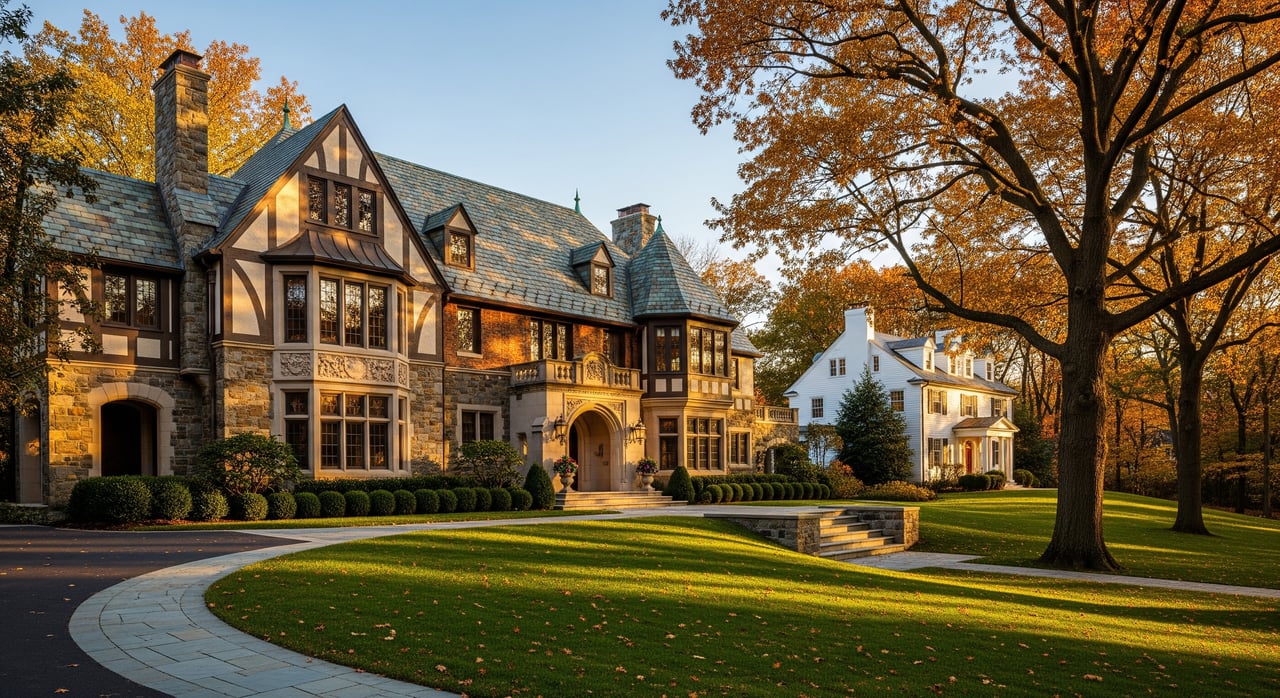
Tudor homes in West Orange often feature steep gable roofs, decorative half‑timbering, and a blend of brick or stone on the exterior. Look for narrow casement windows, prominent chimneys, and arched entry doors that give these homes their signature charm.
Inside, you typically see a formal living room and dining room, sometimes with a sunroom or den. Original kitchens were often closed or galley‑style, though many have been opened up in recent renovations. Most have 2 to 4 bedrooms on the second floor and a basement below.
Where you may find them: higher‑end pockets near South Mountain, on the fringes of Llewellyn Park, and throughout older early 20th‑century subdivisions. Buyers often seek preserved woodwork, leaded or casement windows in good condition, and fireplaces with original surrounds. Updated HVAC, electrical, and sensitively modernized kitchens and baths are strong pluses.
Renovation pointers: keep character‑defining elements such as half‑timbering, stonework, and interior moldings. If you upgrade windows, aim to match the original style and pattern. Plan for potential electrical and plumbing updates in pre‑1940s homes, and budget for masonry and chimney maintenance.
Colonial Revival: timeless balance and symmetry
Colonial and Colonial Revival homes deliver classic curb appeal with symmetrical facades, multi‑pane double‑hung windows, and centered entrances with decorative trim. Materials range from clapboard to brick and stucco.
The typical layout includes a central hall with formal living and dining rooms on either side. Kitchens were once separate but are often expanded or opened during renovations. Expect 3 to 4 bedrooms upstairs and a full basement.
Where you may find them: across older sections of West Orange and on tree‑lined streets near parkland and town conveniences. Buyers want a comfortable balance of historic charm and modern ease, especially an updated kitchen, improved flow, and efficient systems.
Renovation pointers: when opening a closed kitchen, confirm structural support. Consider energy upgrades such as wall and attic insulation and improved windows. On sloped lots near the reservation, pay attention to foundation and moisture management.
Mid‑Century and Ranch: easy flow, indoor‑outdoor living
Mid‑Century homes, including ranches and mid‑mod designs, tend to have low, horizontal rooflines and large windows that invite in natural light. Many are single story or split‑ranch hybrids, and they connect easily to patios and backyards.
Inside, the appeal is open flow between living, dining, and kitchen areas. Ceilings can be lower than new builds, but the sightlines and glass make spaces feel bright and airy. Basements can be partial or full depending on the lot and build year.
Where you may find them: postwar subdivisions on flatter blocks developed in the 1950s and 1960s. Buyers prioritize easy circulation, indoor‑outdoor access, and chances to modernize without erasing mid‑century character such as exposed beams or built‑ins.
Renovation pointers: opening or adjusting walls often requires an engineer’s review and proper headers. Pay close attention to large window replacements so you preserve the look while improving energy performance. Low‑slope roofs need careful water management, including flashing and drainage.
Split‑Level: flexible space for modern life
Split‑Levels were designed for busy households that wanted separation without a huge footprint. From the entry, short stair runs usually lead to a mid‑level living room and kitchen, upper bedrooms, and a lower‑level family room.
Exteriors show the staggered floors, with garages and entries on the lower level and living spaces above. Finishes commonly include brick and siding in mid‑century palettes.
Where you may find them: many postwar neighborhoods and cul‑de‑sacs across West Orange. Buyers love the flexibility for home offices, playrooms, and media spaces, along with garage access and usable backyards.
Renovation pointers: improving flow between levels can involve structural work, so plan accordingly. Lower levels benefit from moisture control and daylighting improvements. For accessibility, consider stair modifications or future‑ready lift solutions.
How location shapes your search
West Orange has distinct micro‑areas where styles cluster. Near the South Mountain Reservation and Turtle Back Zoo, you will find lots with mature trees and larger parcels. That setting attracts buyers who prioritize outdoor access and greenery.
Around Llewellyn Park and nearby streets, many homes date from the late 19th to early 20th century, with Colonial Revival and Tudor influences seen in renovations. Note that private associations and historic contexts can guide the look of exterior changes.
On flatter, postwar blocks, you will see more Mid‑Century ranches and Split‑Levels with consistent setbacks and street patterns. These neighborhoods appeal to buyers who want open layouts and convenient, low‑maintenance living.
Permits and preservation: what to know
Before you plan a renovation, get familiar with local permitting and any architectural controls:
- Building permits and inspections: Structural, electrical, plumbing, and HVAC work typically require permits under the New Jersey Uniform Construction Code, administered locally through the Township of West Orange.
- Historic and association review: Properties within private or historic contexts, including parts of Llewellyn Park and other designated areas, may require architectural review for exterior changes. Always confirm rules before altering facades, windows, or fencing.
- Environmental factors: Work near steep slopes, significant trees, or reservation‑adjacent areas may trigger county or state approvals.
- Licensed trades: Use properly licensed contractors, and verify inspection timelines with the township to keep your project on track.
Inspection and maintenance watchlist in West Orange
Older West Orange homes can have predictable issues. A thorough inspection helps you understand scope and prioritize.
- Electrical: Pre‑1950s houses may have knob‑and‑tube wiring or undersized service. Plan for upgrades that support modern appliances and EV readiness.
- Plumbing: Galvanized or cast‑iron pipes can corrode. Check for leaks and consider replacement in renovation budgets.
- Insulation and HVAC: Many older homes lack modern insulation and efficient systems. Target attic insulation first, then windows and HVAC improvements for comfort and savings.
- Roofs and chimneys: Weather and age can impact shingles, flashing, and masonry. Repointing and crown repairs are common on older chimneys.
- Lead paint and asbestos: Homes built before 1978 may contain lead‑based paint, and older materials can include asbestos. Plan for testing and professional abatement when renovating.
- Basements and drainage: On sloped lots, look for signs of water intrusion. Gutters, grading, and perimeter drains can make a big difference.
Across styles, verify permits for past work, request utility and maintenance histories, and consider a sewer scope where appropriate. The goal is to buy with eyes open and avoid surprises.
Energy upgrades that respect character
Buyers increasingly prioritize comfort and efficiency. Start with improvements that deliver results without altering a home’s look.
- Attic insulation and air sealing are fast, high‑impact upgrades.
- HVAC improvements, including heat pumps, can boost comfort and cut operating costs.
- Thoughtful window strategies, such as storm windows or historically sensitive replacements, balance efficiency and style.
- EV readiness in the garage with a dedicated circuit is a forward‑looking value add.
In historic homes, incremental changes preserve character while improving performance over time.
Quick style‑fit checklists
For buyers
- Tudor or Colonial
- Look for preserved period details and solid masonry or stonework.
- Confirm electrical and plumbing upgrades and review roof and chimney condition.
- Evaluate whether the kitchen can be modernized without losing character.
- Mid‑Century or Split‑Level
- Check structural integrity where walls were removed or modified.
- Review window condition and thermal performance.
- Assess lower‑level moisture control and overall accessibility.
- All styles
- Verify permits for past renovations.
- Order a thorough home inspection and request maintenance histories.
For sellers
- Tudor
- Highlight original millwork, casement windows in good condition, and stonework.
- Showcase updated systems integrated with care.
- Colonial
- Emphasize formal entertaining spaces and smooth flow to an updated kitchen.
- Preserve symmetry and classic curb appeal in staging and photography.
- Mid‑Century and Split‑Level
- Feature indoor‑outdoor connections, open sightlines, and finished lower levels.
- Keep mid‑century elements visible where possible.
- For every home
- Disclose system upgrades and provide warranties or receipts.
- Stage to enhance the home’s natural strengths, whether period charm or open‑plan living.
Choosing the right style for you
If you love craftsmanship and historic detail, a Tudor or Colonial may be the right fit. If you want easy flow and strong connections to the backyard, a Mid‑Century ranch is compelling. If you need flexible zones for work, play, and guests, a Split‑Level delivers separation without sprawl.
Think about how you live day to day. Consider where you want quiet spaces, where you gather, and how you use the outdoors. With the right guidance, you can match a home’s architecture to your lifestyle and plan smart upgrades that grow with you.
Ready to tour West Orange?
If you want a style‑savvy plan for your search or want to position your home’s architecture for maximum impact, we are here to help. The Stephanie Mallios Team pairs deep local knowledge with a boutique, high‑touch approach to every purchase and sale. Let’s walk through neighborhoods, compare styles, and map out the upgrades that matter most to you.
Schedule your consultation with the Stephanie Mallios Team.
FAQs
Are there rules for exterior changes in Llewellyn Park or historic areas?
- Some properties are subject to association or historic review for exterior alterations; always confirm requirements with the association and township before work.
What renovations are common in West Orange Tudors and Colonials?
- Opening or expanding kitchens, updating HVAC and electrical, improving insulation, and repairing masonry or chimneys are typical while preserving character details.
What should I watch for in a Split‑Level during inspection?
- Review moisture control in lower levels, check structural changes tied to open flow, verify permits, and assess stair access if mobility is a concern.
Do I need permits for window replacements or wall removals?
- Structural changes and most system work require permits; window projects may also need review, especially in historic or association‑governed areas.
How does living near South Mountain Reservation or Turtle Back Zoo affect value?
- Proximity to recreation and cultural spots is a lifestyle draw; expect to weigh factors like seasonal activity and traffic against access to trails and amenities.