If you have ever wondered why two homes with similar square footage can land at very different price points in Montclair, architectural style is often part of the answer. In a market where buyers move quickly and notice details, the look and feel of a home can shape first impressions, perceived value, and even renovation plans. When you understand how style interacts with condition, updates, and local rules, you can make smarter decisions whether you are buying or selling. Let’s dive in.
Why style matters in Montclair
Montclair is a high-price, fast-moving market, and that makes presentation especially important. Recent data from Zillow, Redfin, and Realtor.com varies by methodology, but the picture is consistent: home values are high, homes move quickly, and buyers are paying attention.
Montclair also stands out because of its stock of older homes and its long history as a commuter suburb near New York City. The township describes the community as having grand old homes, and that architectural character remains a meaningful part of buyer demand today.
In other words, style is not just a cosmetic detail here. In Montclair, architecture often helps define how a home is marketed, who it attracts, and how confidently buyers respond.
What buyers are really paying for
Architectural style can influence value, but style alone rarely determines it. In Montclair, the strongest market performance usually comes from homes that combine clear architectural identity with the updates buyers want for daily life.
That means buyers often respond best to homes with original woodwork, windows, porches, or floor-plan features that still feel authentic, paired with updated kitchens, baths, central air, newer systems, and functional outdoor space. The blend of old and new tends to be more compelling than either extreme.
Buyers are usually paying for three things at once:
- Character
- Condition
- Confidence that the home works for modern living
If a house has beautiful design but deferred maintenance, the buyer pool may shrink. If it is fully updated but stripped of the details that gave it personality, it may lose some of the distinction that makes Montclair housing so appealing.
How major styles tend to affect demand
Victorian homes
Victorians often attract buyers who want visual drama and original craftsmanship. In Montclair, listings in this category commonly highlight features like turrets, wraparound porches, carved staircases, stained or leaded glass, parquet floors, and porte cocheres.
When these details are intact and well cared for, a Victorian can feel special in a way newer homes rarely do. That emotional pull can support strong interest, especially among buyers who value architecture.
The tradeoff is that Victorians can also raise questions about upkeep. If systems, windows, siding, or finishes feel dated, buyers may factor in future maintenance and renovation costs, which can narrow the audience.
Colonial and Colonial Revival homes
Colonials appear to have the broadest appeal in Montclair’s current market. Recent listings often pair classic Colonial architecture with modern updates, commuter convenience, and practical features like central air, garages, and updated kitchens.
That broad appeal makes sense. The style is familiar, flexible, and often easier to modernize without losing its identity. Buyers can picture themselves in it, and sellers can market both charm and function.
If you are thinking about resale, Colonial homes may draw the widest range of interest. That does not guarantee a higher sale price on style alone, but it can support a broader buyer pool.
Tudor homes
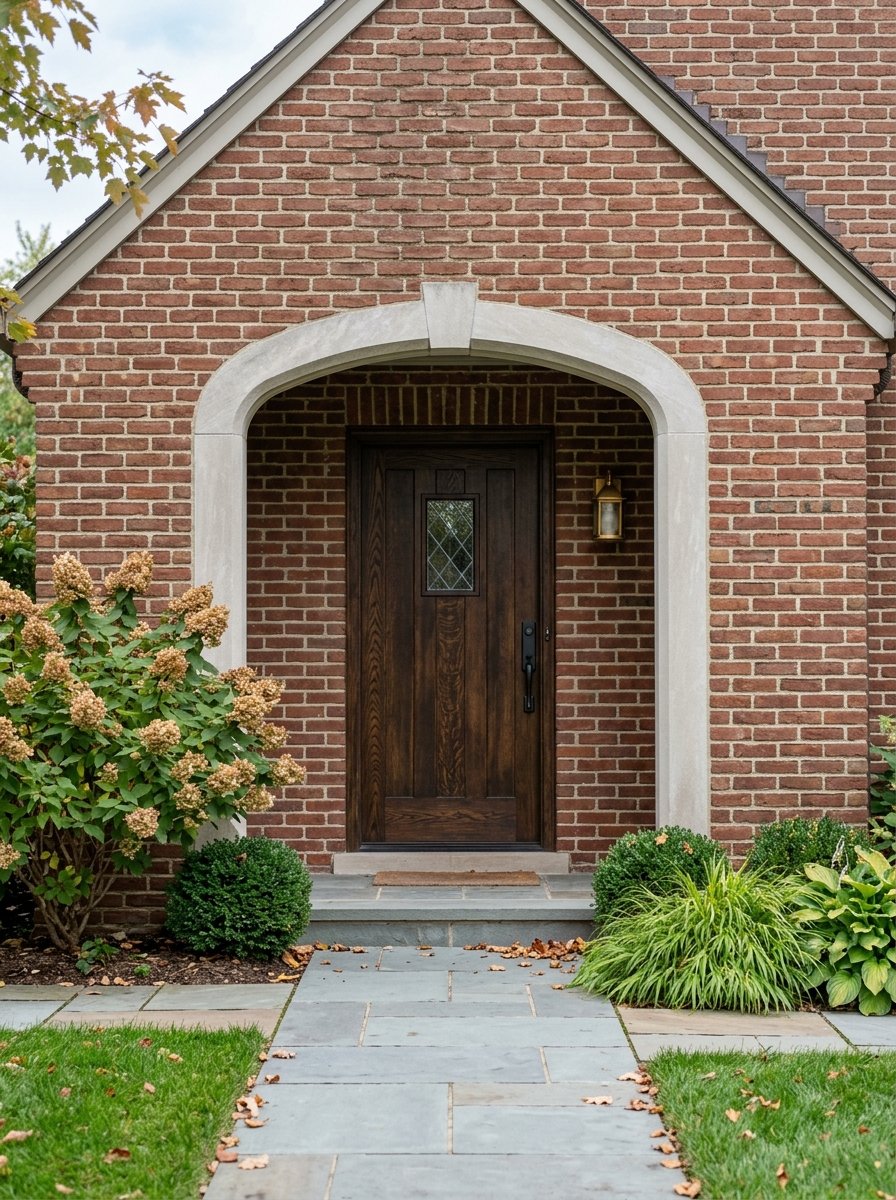
Tudors remain a strong design category in Montclair, even though current inventory appears limited. Buyers are often drawn to the mood these homes create, from masonry and woodwork to leaded glass and strong curb presence.
A well-updated Tudor in a desirable location can support premium pricing, especially when the home keeps its defining character. Buyers who love this style often respond to its sense of presence and individuality.
At the same time, Tudors can have more personalized layouts than Colonials. That may mean strong demand from the right buyer, but not always the same mass-market appeal.
Midcentury homes
Midcentury homes are less common in Montclair than many revival-era styles, which can help them stand out. Current examples tend to emphasize light-filled interiors, indoor-outdoor flow, views, and renovated systems.
For design-savvy buyers, that combination can be very attractive. Clean lines and strong natural light often feel fresh and livable, especially when the home’s original geometry remains intact.
Because these homes are rarer, marketing matters. Sellers typically do best when they highlight livability and design integrity rather than trying to make the home feel like something it is not.
Historic districts add another layer
In Montclair, architectural style can affect value in a practical way too. The township has four locally landmarked historic districts: Town Center, Upper Montclair, Pine Street, and Watchung Plaza.
These districts include a wide range of 19th- and early 20th-century styles, including Queen Anne, Italianate, Renaissance Revival, Classical Revival, Colonial Revival, Tudor Revival, and Bungalow-Craftsman examples. In some areas, the historic fabric is a major part of what buyers find appealing.
If a home is in a local historic district or is a local landmark, exterior changes may require review by the Historic Preservation Commission. That includes items such as additions, facade changes, new construction, lighting, signage, relocation, and demolition.
Interior changes and exact repairs that do not alter the exterior are generally exempt. Still, for buyers and sellers, this means style is tied not only to appearance but also to what can be changed, how quickly, and with what level of township review.
How preservation rules can influence value
Historic designation does not automatically raise value, but it can support it by helping preserve neighborhood character. New Jersey preservation research has found that designation may help insulate values from market swings, and some historic areas have appreciated faster than comparable non-historic areas.
The key point is that there is no automatic price bump. Some buyers see preserved character as a major asset, while others focus on the approval process for exterior work.
If you are selling a home in one of Montclair’s local historic districts, it helps to be clear and accurate about what has been updated and what might require review. That kind of transparency builds trust and helps buyers assess the property with confidence.
What sellers should focus on
If you are selling an architecturally distinctive home in Montclair, your goal is not to appeal to every buyer. Your goal is to present the home in a way that makes its best audience feel an immediate connection.
That starts with identifying the features that define the house. Original windows, millwork, porches, staircases, masonry, and floor-plan elements can all add to the home’s story when they are well preserved.
At the same time, buyers still care about comfort and convenience. A beautiful house with dated systems may earn admiration, but a beautiful house with thoughtful upgrades is more likely to create momentum.
A strong seller strategy often includes:
- Highlighting defining architectural details
- Showing how updates support daily living
- Being clear about roof, HVAC, windows, and other major systems
- Explaining any historic-district context that affects future exterior work
- Positioning the home to match the buyer most likely to value its style
In a market as competitive as Montclair, that kind of preparation can help support both price and pace.
What buyers should keep in mind
If you are buying in Montclair, it helps to look beyond the style label and focus on how the home actually lives. A Victorian, Tudor, Colonial, or midcentury house may each offer very different strengths, even at similar price points.
As you compare options, ask yourself a few practical questions. Does the home preserve the features that make the style special? Have the kitchen, baths, and major systems been updated in a way that respects the house? If the property is in a local historic district, what exterior changes might require township approval?
You should also think about resale from the start. The home you fall in love with may be highly specific, and that is not always a problem, but it is smart to understand whether its appeal is broad or niche.
The Montclair takeaway
In Montclair, architecture absolutely influences value, but not in a simple one-style-wins way. The homes that tend to perform best are the ones that preserve what makes them distinctive while also meeting modern expectations for comfort, function, and care.
That is why Colonial homes may attract the broadest buyer pool, while Victorians, Tudors, and midcentury homes can command strong interest when they are thoughtfully updated and properly positioned. In each case, style matters most when it works together with condition, livability, and market presentation.
If you are preparing to buy or sell a home in Montclair, a style-specific strategy can make a real difference. The right guidance can help you understand what buyers will notice, what they may question, and how to present a home’s character in a way that supports value. To talk through your next move, connect with the Stephanie Mallios Team.
FAQs
How does architectural style affect home value in Montclair?
- Architectural style can shape buyer demand, marketing, and perceived value, but in Montclair it usually matters most when paired with good condition, updated systems, and preserved original details.
Which architectural style has the widest buyer appeal in Montclair?
- Based on current listing patterns, Colonial and Colonial Revival homes appear to have the broadest appeal because they are familiar, flexible, and often easy to modernize.
Do historic districts in Montclair increase property value?
- Historic district status can support value by preserving neighborhood character, but it does not guarantee a higher price and may add exterior-review requirements for certain changes.
What changes require approval in Montclair historic districts?
- Exterior additions, alterations, relocations, new construction, signage, lighting, and demolition generally require a Certificate of Appropriateness, while interior changes and exact exterior repairs are generally exempt.
Are original details more valuable than full modern renovations in Montclair homes?
- In many cases, the strongest result comes from combining intact architectural details with carefully updated kitchens, baths, and major systems rather than choosing one approach alone.